---
title: Summer Holidays at Nani Ghar | Bachpan Diaries
description: A personal memory of summer holidays at nani's house, three trains, an old suitcase, and a nostalgia every 90s Indian kid will know. Also in Hindi.
image: https://bachpandiaries.com/hubfs/bachpan-diaries-theme/blog/JPGs/07-nani-ghar.jpg
---
[Skip to main content](https://bachpandiaries.com/stories/summer-holidays-at-nani-ghar#main-content)
[.svg) .svg) Bachpan Diaries](https://bachpandiaries.com/)
- Stories
- [Quizzes](https://bachpandiaries.com/quizzes)
- [Dor - Mini Game](https://bachpandiaries.com/dor)
- [Our Story](https://bachpandiaries.com/our-story)
- [Contact Us](https://bachpandiaries.com/contact)
EN [हिं](https://bachpandiaries.com/hi/stories/nani-ghar-ki-garmiyan)
Aa
Reading Mode
Default
B&W
Night
Paper grain
−
Subtle
\+
Font size
A−
Default
A+
↺ Reset preferences
Browse by age
Every age has *a story.*
Five sections — one for every chapter of childhood and memory.
[All stories](https://bachpandiaries.com/stories)
[**Nanhe Sitare** 0 – 6](https://bachpandiaries.com/stories/tag/section-nanhe-sitare) [ The Turtle Who Talked Too Much](https://bachpandiaries.com/stories/the-turtle-who-talked-too-much) [ The Stars That Counted](https://bachpandiaries.com/stories/the-stars-that-counted) [See all Nanhe Sitare →](https://bachpandiaries.com/stories/tag/section-nanhe-sitare)
[**Padhna Seekho** 7 – 12](https://bachpandiaries.com/stories/tag/section-padhna-seekho) [ Three Suitors and Somprabha](https://bachpandiaries.com/stories/three-suitors-and-somprabha) [ Two Friends and the Bear](https://bachpandiaries.com/stories/two-friends-and-the-bear) [See all Padhna Seekho →](https://bachpandiaries.com/stories/tag/section-padhna-seekho)
[**Kisse Kahani** 13 – 17](https://bachpandiaries.com/stories/tag/section-kisse-kahani) [ The School Trip](https://bachpandiaries.com/stories/the-school-trip) [ The Last Bench](https://bachpandiaries.com/stories/the-last-bench) [See all Kisse Kahani →](https://bachpandiaries.com/stories/tag/section-kisse-kahani)
[**Bachpan Diaries** 18 – 40](https://bachpandiaries.com/stories/tag/section-bachpan-diaries) [ Do You Remember Shaktimaan?](https://bachpandiaries.com/stories/do-you-remember-shaktimaan) [ What He Left Behind](https://bachpandiaries.com/stories/what-he-left-behind) [See all Bachpan Diaries →](https://bachpandiaries.com/stories/tag/section-bachpan-diaries)
[**Yaadein** 40+](https://bachpandiaries.com/stories/tag/section-yaadein) [ My Grandmother's House](https://bachpandiaries.com/stories/my-grandmothers-house) [ The Letters We Never Sent](https://bachpandiaries.com/stories/the-letters-we-never-sent) [See all Yaadein →](https://bachpandiaries.com/stories/tag/section-yaadein)
Browse Stories
[All Stories](https://bachpandiaries.com/stories)
[**Nanhe Sitare** 0 – 6](https://bachpandiaries.com/stories/tag/section-nanhe-sitare) [**Padhna Seekho** 7 – 12](https://bachpandiaries.com/stories/tag/section-padhna-seekho) [**Kisse Kahani** 13 – 17](https://bachpandiaries.com/stories/tag/section-kisse-kahani) [**Bachpan Diaries** 18 – 40](https://bachpandiaries.com/stories/tag/section-bachpan-diaries) [**Yaadein** 40+](https://bachpandiaries.com/stories/tag/section-yaadein)
Recent Stories
[ Padhna Seekho Three Suitors and Somprabha](https://bachpandiaries.com/stories/three-suitors-and-somprabha) [ Bachpan Diaries Do You Remember Shaktimaan?](https://bachpandiaries.com/stories/do-you-remember-shaktimaan) [ Nanhe Sitare The Turtle Who Talked Too Much](https://bachpandiaries.com/stories/the-turtle-who-talked-too-much) [ Padhna Seekho Two Friends and the Bear](https://bachpandiaries.com/stories/two-friends-and-the-bear)
[Quizzes](https://bachpandiaries.com/quizzes) [Dor - Mini Game](https://bachpandiaries.com/dor) [Our Story](https://bachpandiaries.com/our-story) [Contact Us](https://bachpandiaries.com/contact)
1. [Home](https://bachpandiaries.com/)
2. /
3. [Stories](https://bachpandiaries.com/stories)
[Bachpan Diaries](https://bachpandiaries.com/stories/tag/section-bachpan-diaries) [Festivals](https://bachpandiaries.com/stories/tag/theme-festivals) [Family](https://bachpandiaries.com/stories/tag/theme-family) [Nostalgia](https://bachpandiaries.com/stories/tag/theme-nostalgia) [🌐 हिंदी में पढ़ें](https://bachpandiaries.com/hi/stories/nani-ghar-ki-garmiyan)
# Summer Holidays at Nani Ghar
By Manoj Rajput • June 7, 2025
Now Playing Summer Holidays at Nani Ghar
0:00 / —
1×
It was always the same ritual. School ended, report card was collected (quickly folded and placed face-down in the bag), and within a week the suitcases came out from under the bed — the big brown ones with the brass combination locks that nobody remembered the combination to, so we just kept them open.
Nani ghar was three train rides away. Six hours on the Shatabdi, then a change at a junction that smelled of coal and chai, then an hour on a narrow-gauge train where the windows did not close properly and fine red dust came in and settled on everything — your hair, your tongue, your half-eaten parle-g.
None of this mattered.
What mattered was the moment the auto turned into the gali and you heard — even before you could see — Nani's voice calling from the first floor: "Aa gaye! Aa gaye!" as if our arrival was a surprise she could not quite believe, no matter how many times it had happened.
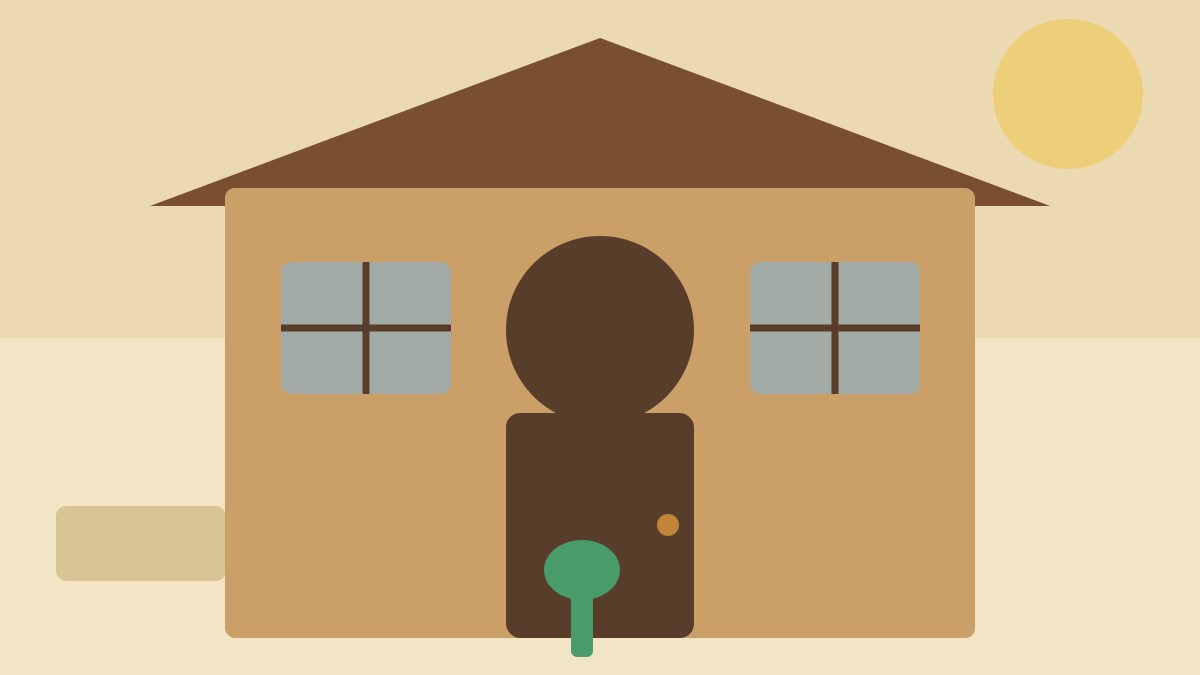
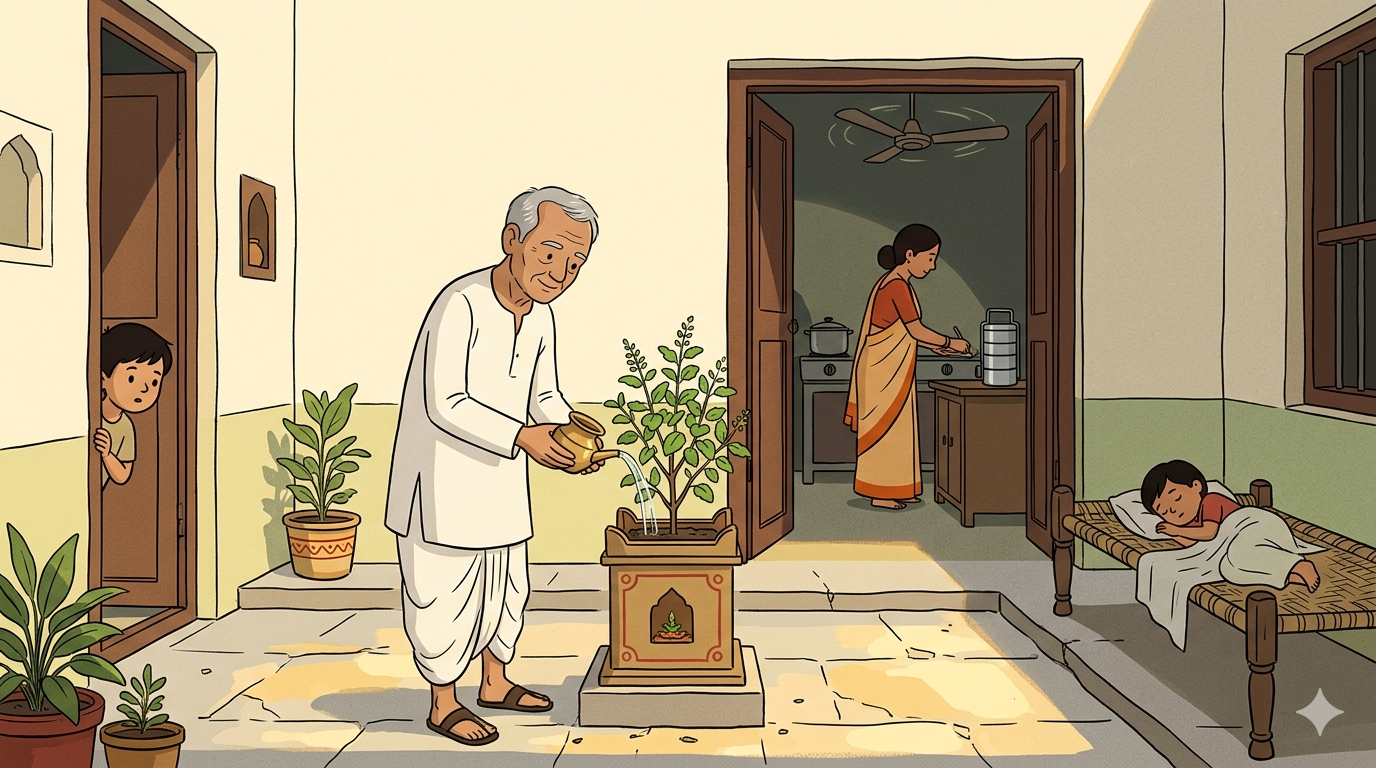
The house was always the same. The courtyard with the tulsi plant that Nana watered every morning with great seriousness. The kitchen where three ceiling fans ran at full speed and Nani stood at the stove in a cotton saree that was always slightly damp from the work of cooking for eight people. The steel tiffins stacked in the corner. The pressure cooker that announced lunch like a proclamation.
There were cousins. Four of us, five some years, once memorably seven when the Bombay side of the family also came. We fought within ten minutes of arriving and were inseparable within twenty. We played every game we knew and invented the rest. We stayed up past midnight on the terrace watching the sky, daring each other to touch the water tank in the dark, eating roasted chana from a newspaper cone.
The adults sat on the charpoy and talked. Their conversations were long and low and we were not meant to listen, but we did anyway, and understood perhaps one word in five, but the words we did understand stayed with us longer than the ones that were ever directly told to us.
Nana gave us a coin each morning to spend at the corner shop. A single coin, in the old heavy kind, the ones with the map of India on one side. We stretched it as far as it would go: a small paper bag of imli candy, or three toffees and a matchbox with a tiny prize inside, or — the most sophisticated choice — a five-rupee bottle of Rooh Afza diluted in so much water it was more pink suggestion than drink.
Those summers lasted forever, which is to say they lasted six weeks and then were over.
I did not know then that I was in the middle of something I would spend the rest of my life trying to describe to people who were not there. That the smell of that kitchen and the sound of those ceiling fans and the particular quality of afternoon light that fell through the jali onto the floor of the front room — all of it was being stored, carefully, in a place I could not yet locate.
I know where it is now.
✦
✦ Kahaani Khatam ✦
Region [North India](https://bachpandiaries.com/stories/tag/region-north-india)
Format [Text](https://bachpandiaries.com/stories/tag/format-text)
Source [Personal Memory](https://bachpandiaries.com/stories/tag/source-personal-memory)
Characters [Everyday Heroes](https://bachpandiaries.com/stories/tag/char-everyday-heroes)
Read time [Short](https://bachpandiaries.com/stories/tag/time-short)
[← Previous story The Blue Bicycle](https://bachpandiaries.com/stories/the-blue-bicycle) [Next story → The Cricket Match on the Rooftop](https://bachpandiaries.com/stories/the-cricket-match-on-the-rooftop)
Does this remind you of something? [Leave a comment below](https://bachpandiaries.com/stories/summer-holidays-at-nani-ghar#post-comments).
Share [WhatsApp](https://wa.me/?text=Summer+Holidays+at+Nani+Ghar+%7C+Bachpan+Diaries%20https%3A%2F%2Fbachpandiaries.com%2Fstories%2Fsummer-holidays-at-nani-ghar) [X](https://twitter.com/intent/tweet?text=Summer+Holidays+at+Nani+Ghar+%7C+Bachpan+Diaries&url=https%3A%2F%2Fbachpandiaries.com%2Fstories%2Fsummer-holidays-at-nani-ghar) [Facebook](https://www.facebook.com/sharer/sharer.php?u=https%3A%2F%2Fbachpandiaries.com%2Fstories%2Fsummer-holidays-at-nani-ghar)
Copy link

Manoj Rajput
I'm the founder of Bachpan Diaries. I started this project chasing down the small, ordinary memories of growing up in India that never seem to get written down anywhere, madaari shows, school bells, dabbas from home. I still read every story myself before it goes up.
FROM THE ARCHIVE
## Continue the Journey
### [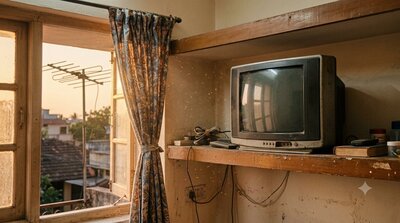 Ages 18–40 हिं The taandh ran the full length of the wall, corner to corner, and the television sat right on it, a curtain hanging in front, kept closed most days. Coming back, not from school, from tuition, pulling the curtain aside and fixing the antenna was always the first thing to happen. Read story → Bachpan Diaries · 3 min read Do You Remember Shaktimaan? Nostalgia The taandh ran the full length of the wall, corner to corner, and the television sat right on it, a curtain hanging in front, kept closed most days. Coming back, not from school, from tuition, pulling the curtain aside and fixing the antenna was always the first thing to happen. Manoj Rajput Oct 2](https://bachpandiaries.com/stories/do-you-remember-shaktimaan)
### [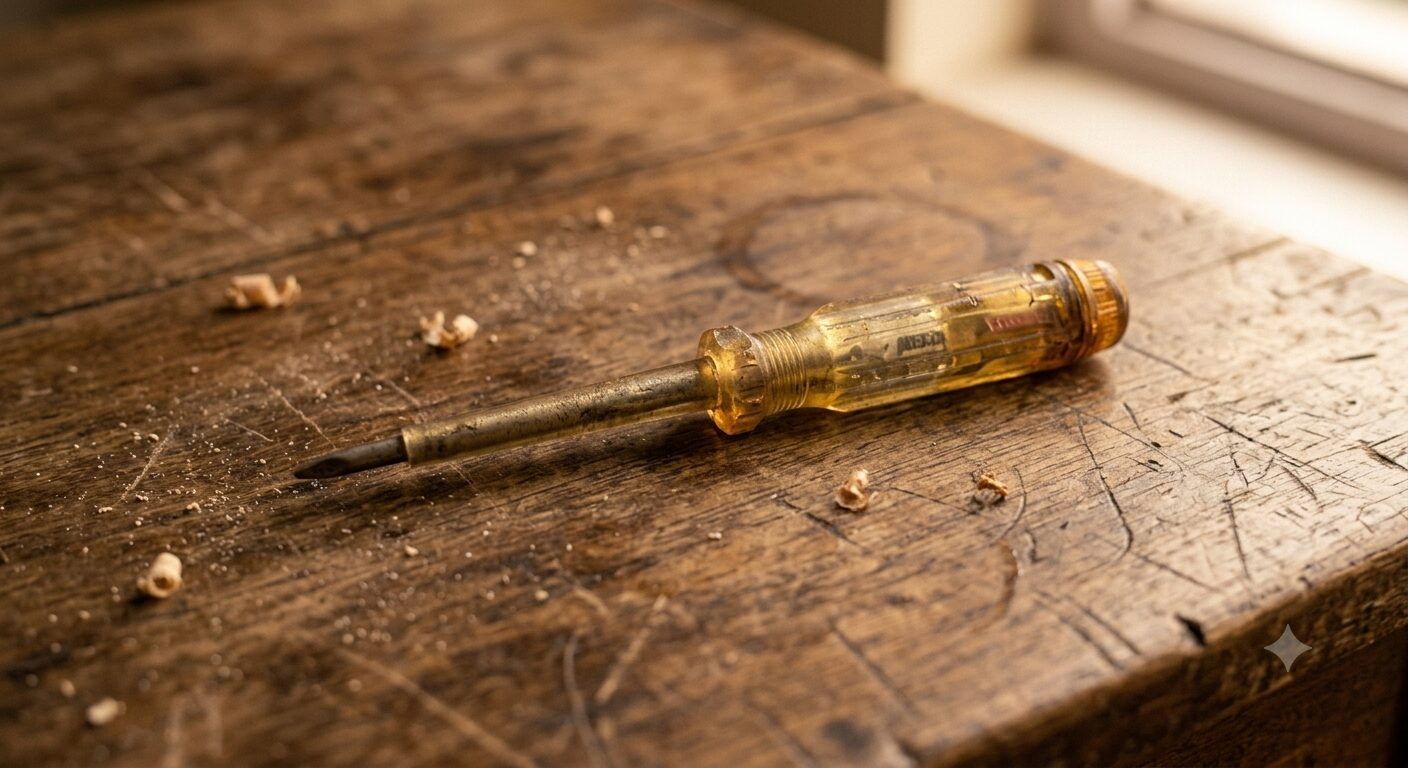 Ages 18–40 हिं He used to grab hot, burning plastic with his bare hands sometimes, quick, almost bored about it, moving it aside before it could do real damage, like his hands had already decided this was fine. He was a supervisor in a factory that used to build plastic containers, Delhi, night shifts mostly. For two years, when I was ten, we lived inside that factory. Not near it, inside it. Read story → Bachpan Diaries · 5 min read What He Left Behind Family He used to grab hot, burning plastic with his bare hands sometimes, quick, almost bored about it, moving it aside before it could do real damage, like his hands had already decided this was fine. He was a supervisor in a factory that used to build plastic containers, Delhi, night shifts mostly. For two years, when I was ten, we lived inside that factory. Not near it, inside it. Manoj Rajput Sep 7](https://bachpandiaries.com/stories/what-he-left-behind)
### [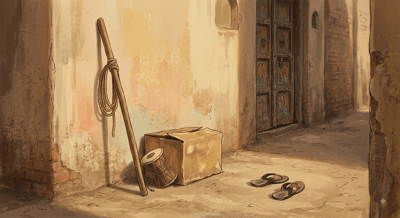 Ages 18–40 हिं It was afternoon, the kind of hour when the street usually went quiet, just the fan whirring and a radio playing somewhere far off. Then came a sound, dum, dum, dum, someone was playing a damroo, still far away, but our ears were already up. Spoons got left mid bite, slippers stayed behind, we just ran for the gully. Read story → Bachpan Diaries · 4 min read Madaari, The Monkey Show Nostalgia It was afternoon, the kind of hour when the street usually went quiet, just the fan whirring and a radio playing somewhere far off. Then came a sound, dum, dum, dum, someone was playing a damroo, still far away, but our ears were already up. Spoons got left mid bite, slippers stayed behind, we just ran for the gully. Manoj Rajput Aug 11](https://bachpandiaries.com/stories/madaari)
[All Stories](https://bachpandiaries.com/stories)
## Comments
Advertisement
MORE LIKE THIS
### More on this theme
[](https://bachpandiaries.com/stories/the-last-diwali-at-the-old-house) [The Last Diwali at the Old House](https://bachpandiaries.com/stories/the-last-diwali-at-the-old-house)
We did not know at the time that it would be the last Diwali in that house. These things are never announced in advance.
[Read story →](https://bachpandiaries.com/stories/the-last-diwali-at-the-old-house)
EXPLORE
### Other chapters
- [🌟 Nanhe Sitare Ages 0–6](https://bachpandiaries.com/stories/tag/section-nanhe-sitare)
- [📚 Padhna Seekho Ages 7–12](https://bachpandiaries.com/stories/tag/section-padhna-seekho)
- [🎭 Kisse Kahani Ages 13–17](https://bachpandiaries.com/stories/tag/section-kisse-kahani)
- [📖 Bachpan Diaries Ages 18–40](https://bachpandiaries.com/stories/tag/section-bachpan-diaries)
- [🕰 Yaadein Ages 40+](https://bachpandiaries.com/stories/tag/section-yaadein)
STAY UPDATED
### New stories every week.
No spam. Unsubscribe any time.
Advertisement
Share
Copy
Continue where you left off?
Resume
Dismiss
[.svg) .svg)](https://bachpandiaries.com/stories)
Bachpan Diaries
- [Stories](https://bachpandiaries.com/stories)
- [Our Story](https://bachpandiaries.com/our-story)
- [Contact Us](https://bachpandiaries.com/contact)
- [Privacy Policy](https://bachpandiaries.com/privacy-policy)
- [Terms of Service](https://bachpandiaries.com/terms-of-service)
© 2026 Bachpan Diaries. Stories for Every Childhood
```json
{
"@context" : "https://schema.org",
"@type" : "BlogPosting",
"author" : {
"@type" : "Person",
"name" : "Manoj Rajput",
"url" : "https://bachpandiaries.com/stories/author/manoj-rajput"
},
"dateModified" : "2026-08-24T07:10:19.075Z",
"datePublished" : "2025-06-06T18:30:00.000Z",
"headline" : "Summer Holidays at Nani Ghar | Bachpan Diaries",
"image" : [ "https://bachpandiaries.com/hubfs/bachpan-diaries-theme/blog/JPGs/07-nani-ghar.jpg" ],
"mainEntityOfPage" : {
"@id" : "https://bachpandiaries.com/stories/summer-holidays-at-nani-ghar",
"@type" : "WebPage"
},
"publisher" : {
"@type" : "Organization",
"logo" : {
"@type" : "ImageObject",
"url" : "https://bachpandiaries.com/hubfs/bachpan-kite-icon.svg"
},
"name" : "BachpanDiaries"
}
}
```
```json
{
"@context" : "https://schema.org",
"@type" : "BreadcrumbList",
"itemListElement" : [ {
"@type" : "ListItem",
"item" : "https://bachpandiaries.com/",
"name" : "Home",
"position" : 1
}, {
"@type" : "ListItem",
"item" : "https://bachpandiaries.com/stories",
"name" : "Stories",
"position" : 2
}, {
"@type" : "ListItem",
"item" : "https://bachpandiaries.com/stories/summer-holidays-at-nani-ghar",
"name" : "Summer Holidays at Nani Ghar | Bachpan Diaries",
"position" : 3
} ]
}
```